
How to Keep Your Gums Healthy: 7 Tips for Better Gum Health
Healthy gums are an important foundation of a healthy smile. When plaque and bacteria build up along the gumline, they can irritate the gums and increase the risk of gum disease. The good news is that maintaining healthy gums starts with simple daily habits. From brushing and flossing to regular dental visits and healthy lifestyle choices, these seven tips can help protect gum health and keep your smile healthy.
What Are the Signs of Healthy Gums?
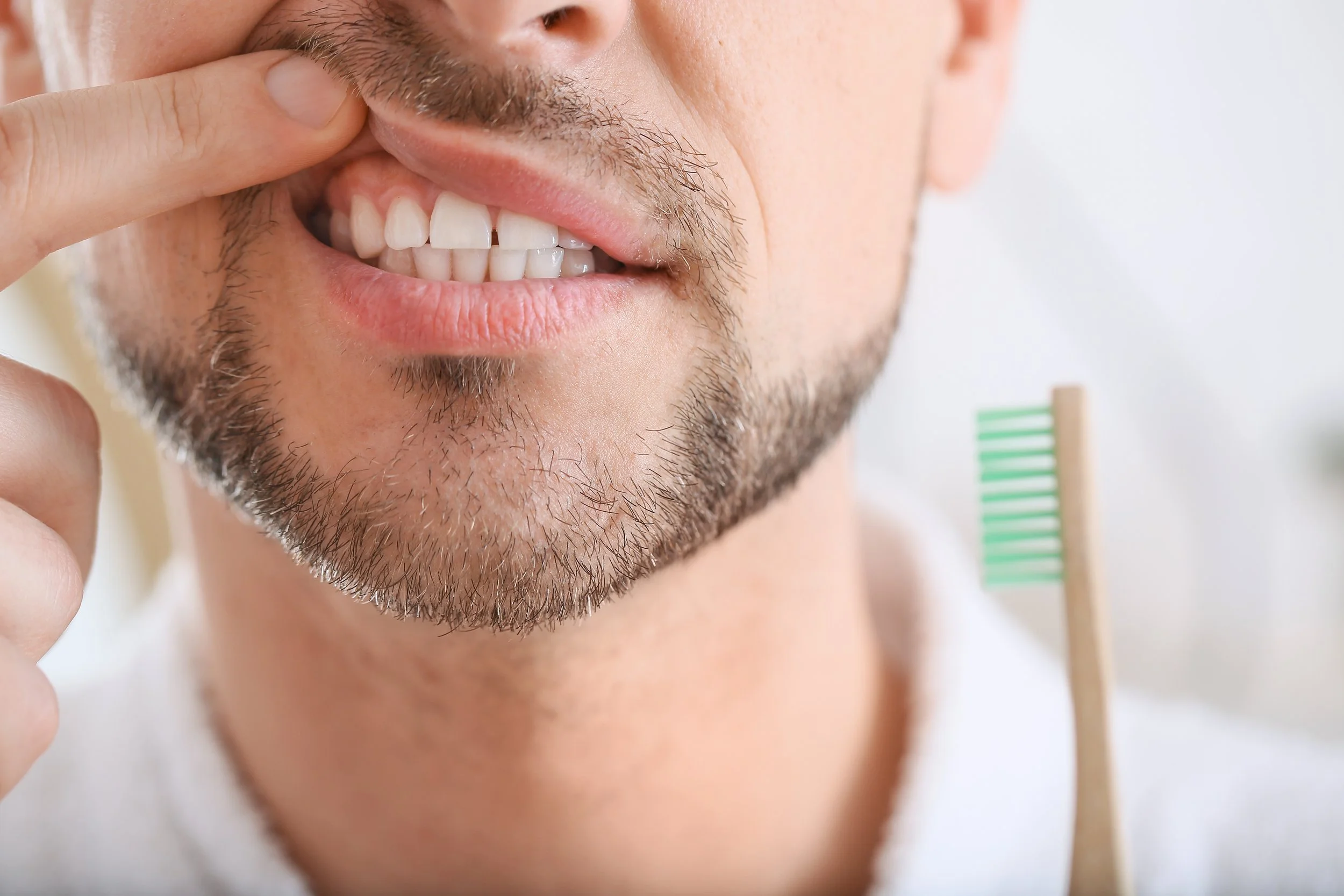
Healthy gums are an important part of good oral health and help protect the teeth and supporting tissues. They are typically firm, pink, and fit closely around the teeth. They should not feel swollen or tender, and brushing or flossing should not cause regular bleeding. Keeping gums healthy through daily brushing, flossing, and regular dental visits helps support a healthy smile.
Changes in the appearance or feel of the gums may be an early sign of gum disease or another oral health concern. Common warning signs include red or swollen gums, tenderness, bleeding when brushing or flossing, gum recession, or persistent bad breath. If these symptoms continue, scheduling a dental exam can help identify the cause and determine whether treatment is needed.
7 Tips for How to Keep Gums Healthy
1. Brush Your Teeth Twice a Day
Committing to the healthy habit of brushing your teeth every day removes plaque from your teeth and along the gumline. At WoodSprings Dentistry, our dental team recommends brushing for two minutes with a soft-bristled toothbrush and fluoride toothpaste. Protect your gums by brushing gently with a soft toothbrush instead of scrubbing aggressively.
2. Floss Every Day
Unfortunately, brushing alone cannot effectively clean between teeth. Brushing your teeth misses about 40% of the total tooth surface, so your toothbrush cleans only about 60% of your teeth. Incorporating flossing into your daily routine helps remove plaque and food particles from around the gums and between the teeth, where a toothbrush cannot reach.
If traditional floss is difficult to use, there are many alternative devices available, such as interdental brushes or water flossers, for people who have trouble using it.
3. Schedule Regular Dental Cleanings and Exams
Regular professional dental cleanings are an important part of maintaining healthy gums and teeth. During a cleaning, a dental professional can remove plaque and hardened tartar that cannot be effectively removed with brushing and flossing alone. Routine dental exams also give the dental team an opportunity to check for early signs of gum disease and address potential concerns before they become more serious.
The recommended frequency of dental visits can vary depending on your oral health, risk factors, and individual needs. Your dental team can help determine how often you should schedule cleanings and exams to keep your gums and smile healthy.
4. Use an Antimicrobial or Fluoride Mouthwash When Appropriate
Mouthwash can be a helpful addition to a daily oral hygiene routine, but it should not replace brushing and flossing. Depending on the formulation, certain mouthwashes may help reduce bacteria and plaque or provide additional protection against cavities. However, not every mouthwash is right for everyone. Talk with your dental professional about which type of mouthwash is most appropriate for your oral health needs.
5. Eat a Balanced Diet
Taking care of your gums involves more than brushing and flossing. A nutritious, balanced diet can also support healthy teeth and gums by providing the nutrients your mouth needs. Aim to include a variety of nutrient-rich foods, such as vegetables, fruits, lean proteins, dairy products, and whole grains. It is also helpful to limit sugary snacks and drinks, as frequent sugar exposure can contribute to plaque buildup and increase the risk of cavities and other oral health problems.
6. Avoid Smoking and Tobacco Products
Tobacco use can have a significant impact on gum health and increase the risk of developing gum disease. Smoking and other tobacco products can affect the gums’ ability to fight infection and heal properly, making it harder for the body to respond to inflammation and damage.
Tobacco use is also associated with a higher risk of more serious gum problems, including advanced periodontal disease and tooth loss. If you use tobacco, consider talking with a healthcare professional about resources and strategies that can help you quit.
7. Pay Attention to Changes in Your Gums
Pay attention to changes in your gums, as they may be early signs of a gum health problem. Bleeding during brushing or flossing, redness, swelling, tenderness, gum recession, or persistent bad breath should not be ignored, especially if they persist. Early evaluation allows a dental professional to identify potential concerns and recommend appropriate treatment before gum problems become more advanced. If you notice ongoing changes in your gums, schedule a dental appointment for an evaluation and personalized guidance.
When Should You See a Dentist?
Knowing when to see a dentist about your gum health can help prevent minor concerns from becoming more serious. Schedule a dental appointment if you notice frequent bleeding when brushing or flossing, red or swollen gums, tenderness, gum recession, persistent bad breath, or changes in how your teeth fit together. Loose or shifting teeth can also be a sign that your gums and supporting tissues need professional attention. Even without noticeable symptoms, regular dental exams and cleanings are important for monitoring gum health and detecting potential problems early.
Healthy Gums Start With Daily Care
Maintaining healthy gums does not have to be complicated. Simple, consistent habits such as brushing twice a day, flossing daily, eating a balanced diet, avoiding tobacco, and scheduling regular dental cleanings and exams can make a meaningful difference in your gum health. Paying attention to changes such as bleeding, swelling, redness, or tenderness can also help identify potential problems early. By making gum care a regular part of your daily oral hygiene routine, you can help protect your gums and support a healthy smile for years to come.
Healthy gums are an essential part of a healthy smile and can play an important role in your overall oral health. While daily brushing and flossing are important, regular professional care can help identify gum problems early and provide the guidance needed to keep your gums healthy. If you experience bleeding, swelling, redness, gum recession, tenderness, persistent bad breath, or other changes, do not delay in seeking professional advice.
Schedule an appointment with your dentist today to have your gum health evaluated and learn more about the best ways to protect your gums and maintain a healthy smile for years to come.