
What is Dental Plaque and How Can it Affect My Teeth?
What is Dental Plaque?
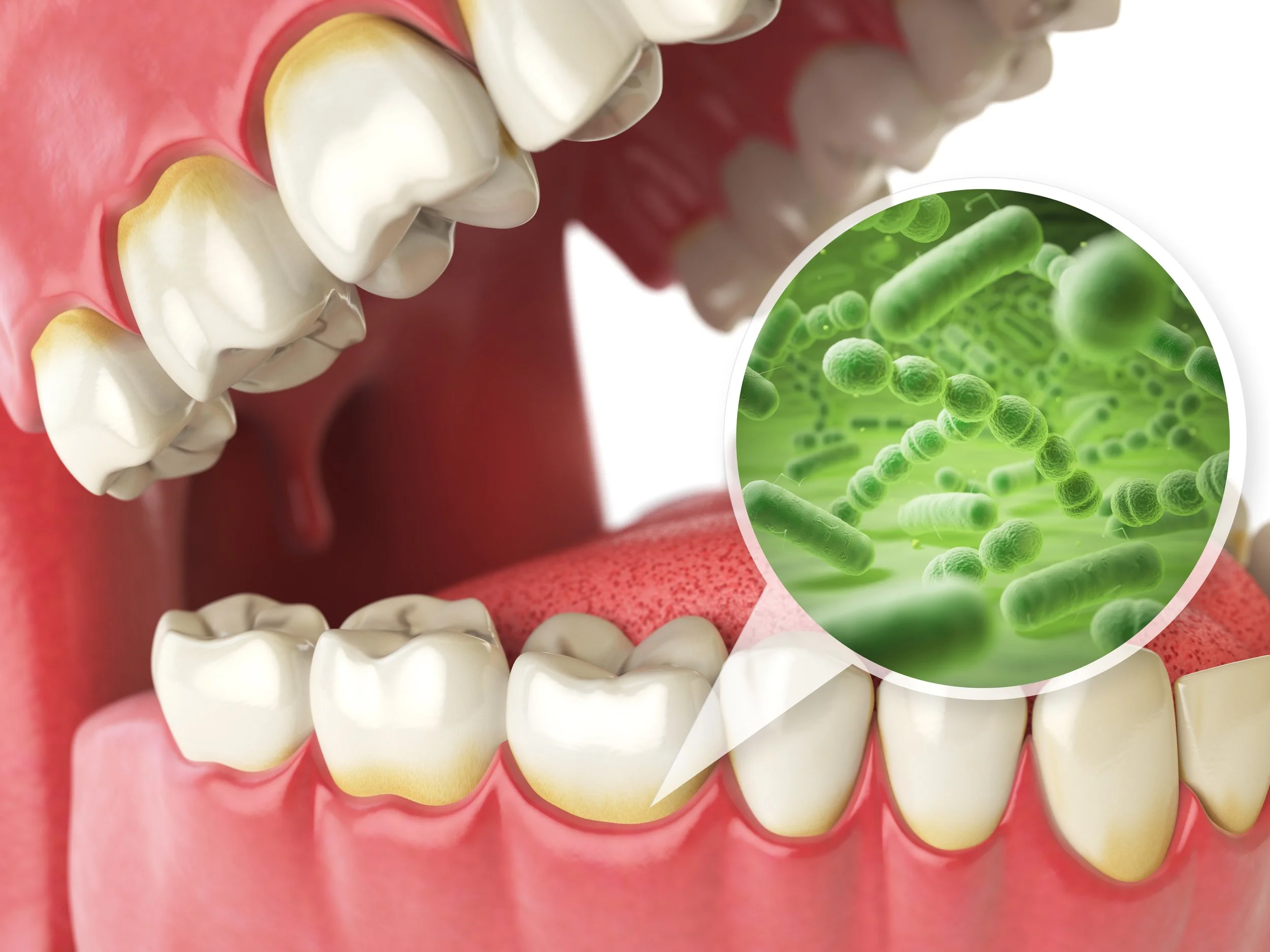
Understanding and managing dental plaque is essential for maintaining good oral health. Dental plaque, or oral biofilm, is a sticky film of bacteria that develops on teeth. Plaque buildup can cause dental issues such as cavities, gum disease, and bad breath.
Plaque formation is normal, but if not removed daily through brushing, flossing, and regular dental visits, it can lead to other oral health issues. Fortunately, consistent oral hygiene and routine checkups effectively prevent plaque buildup and support healthy teeth and gums.
How Does Dental Plaque Form on Teeth?
Dental plaque contains bacteria, leftover food particles, and saliva. When you eat, the bacteria in your mouth feed on food debris, such as sugars and carbohydrates. This breaks the food down into a sticky, acidic film — what we know as dental plaque.
Effects of Dental Plaque on Oral Health
If dental plaque is left untreated, it can lead to a buildup of hardened plaque and tartar.
Both tartar and plaque are full of irritating and potentially harmful oral bacteria. When both substances build up, they can inflame the gums and ultimately lead to gum (periodontal) disease. Untreated gum disease can progress to an aggressive condition that causes chronic infection and loosens teeth from the bone and gums. Advanced gum disease is the leading cause of tooth loss.
Plaque buildup also weakens teeth, because bacteria produce acid as a by-product when they feed and colonize. Acid removes important minerals in tooth enamel that help protect teeth against cavity-causing bacteria. If tooth decay goes untreated, teeth can become infected and even abscessed.
All of these conditions can affect the health of the oral cavity and may require tooth extractions, tissue grafting procedures, and replacement teeth such as dental implants.
Drs. James and Samantha Tejada, in The Woodlands, TX, and their team of dental professionals are experts in treating all forms of tooth decay and specialize in dental care for residents of Montgomery and Harris Counties.
Fight Plaque With Regular Dental Checkups and Dental Hygiene
Maintaining healthy teeth and gums involves understanding how to prevent and treat dental plaque or oral biofilm. This harmful substance can quickly accumulate on clean tooth surfaces and cause serious dental problems if not properly managed. Here are some tips on how to prevent and treat dental plaque:
Brush Frequently
Brush at least twice a day with a soft-bristled toothbrush and fluoride toothpaste to remove plaque from the surfaces of your teeth.
Floss Daily
Daily flossing removes plaque and food particles from between the teeth and along the gumline, where a toothbrush may not reach.
Limit Sugar Intake
Eat a balanced diet and reduce consumption of sugary and starchy foods and drinks, which provide a feeding ground for plaque-causing oral bacteria. Choose healthy foods like yogurt, cheese, or raw vegetables.
Use Fluoride Toothpaste
Fluoride toothpaste is vital for plaque control because it not only helps physically remove plaque but also chemically disrupts the bacteria’s process of breaking down sugar into acid. Fluoride toothpaste helps create a protective, acid-resistant layer that prevents plaque from harming teeth.
Ask About Fluoride and Mouthwash
Your dental team may recommend additional products, such as fluoride treatments or an antiseptic mouthwash, based on your oral health needs. Antiseptic mouthwash can help reduce bacteria, freshen breath, and support gum health when used along with brushing and flossing.
Schedule Professional Teeth Cleanings
Routine dental visits, usually every 6 months, allow dental professionals to remove plaque and tartar buildup from the enamel before they cause significant damage. Visiting the dentist regularly enables early detection of potential issues, such as cavities or gum disease. By catching these problems early, treatments can be less invasive and more effective.
A healthy smile starts with a consistent oral hygiene routine and regular dental care. Brushing, flossing, using fluoride toothpaste, and scheduling routine cleanings can all help prevent plaque buildup and protect your teeth and gums.