
7 Dental Cleaning Tools Your Hygienist Uses & Why
Have you ever wondered what dental cleaning tools your dental hygienist uses during your routine teeth cleaning? From the small mirror used to examine your teeth to the ultrasonic scaler that removes stubborn tartar, every instrument serves a purpose in keeping your smile healthy.
At WoodSprings Dentistry in Spring, TX, preventive dental care is key to maintaining healthy teeth and gums. Understanding the tools used during a professional dental cleaning can help you feel more comfortable in the dental chair and understand how regular dental visits support your oral health.
Whether you're due for your next dental cleaning or just curious about what happens during your appointment, here's a closer look at seven common dental cleaning tools, how they work, and why they are important.
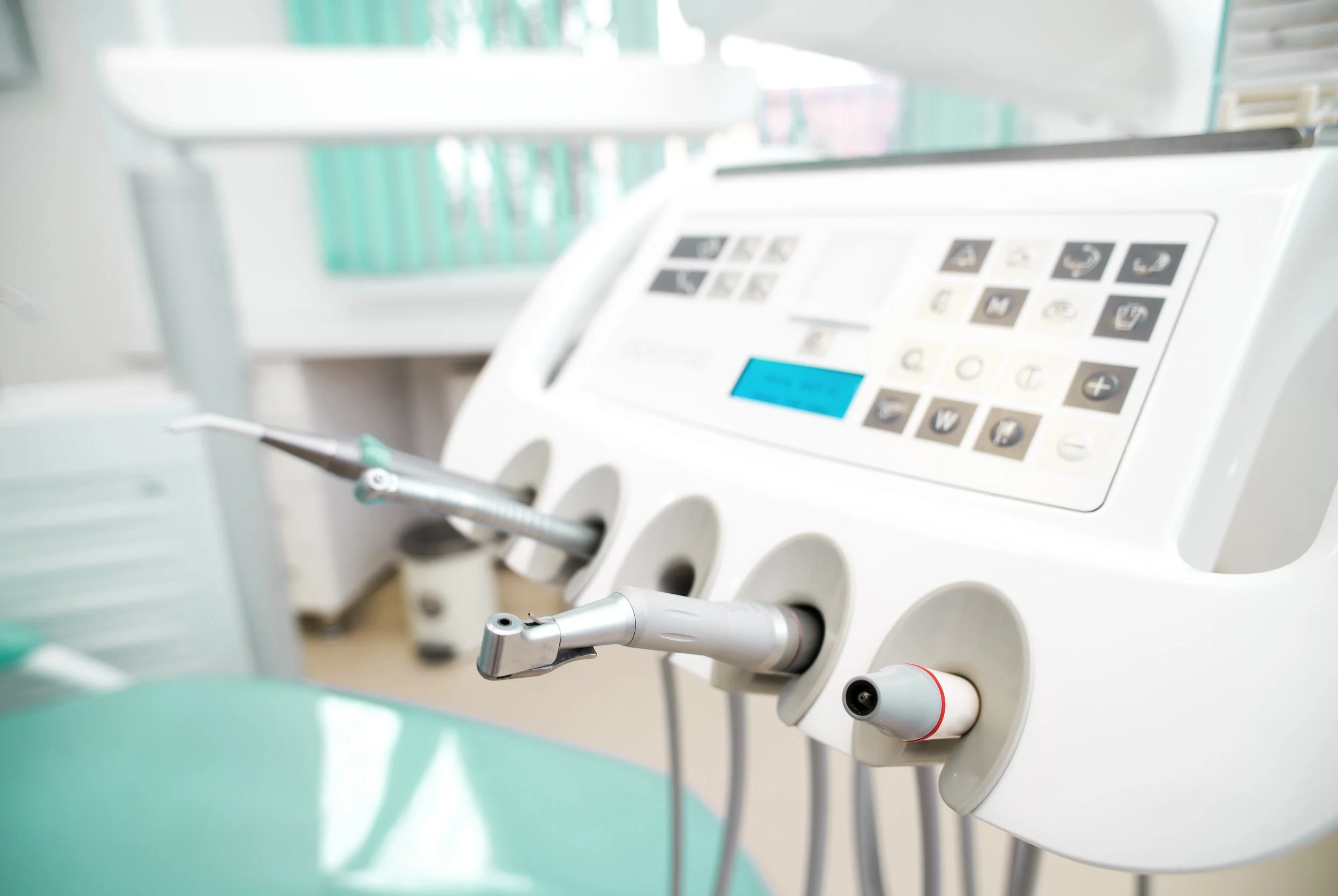
1. Dental Mirror: Seeing Every Angle of Your Smile
The dental mirror is one of the most recognizable instruments used during a dental appointment. This tool features a small, round mirror attached to a metal handle.
What Does a Dental Mirror Do?
A dental mirror lets your dental professional see areas of the mouth that are hard to view directly, such as the backs of the teeth and other hard-to-reach surfaces. The dental team can also use the mirror to gently move your cheeks, lips, or tongue out of the way during an examination.
Why Is It Important?
A clear view of your teeth and gums helps your dental team spot plaque buildup, examine your gum tissue, and decide whether certain areas need extra attention during your cleaning.
The benefit: Better visibility supports a thorough cleaning and helps your dental team evaluate your oral health.
If traditional floss is difficult to use, there are many alternative devices available, such as interdental brushes or water flossers, for people who have trouble using it.
2. Dental Scaler: Removing Plaque and Tartar
Have you ever noticed a hard deposit near your gumline that doesn't disappear with brushing? That buildup may be tartar, also known as dental calculus.
Dental scalers are specially designed instruments that help dental hygienists remove plaque and hardened tartar from tooth surfaces.
How Does a Dental Scaler Work?
Your hygienist may use a manual scaler with a small, shaped metal tip to carefully remove deposits from your teeth. Depending on your needs, they may also use an ultrasonic scaler to help loosen stubborn buildup.
Plaque is a sticky film of bacteria that continually forms on your teeth. If you don’t remove it effectively, it can harden into tartar, which brushing and flossing alone can't remove.
Why Is It Important?
Plaque and tartar buildup can contribute to gingivitis, gum inflammation, and periodontal disease. Professional scaling helps remove these deposits and supports healthier gums.
The benefit: Removing hardened tartar helps keep your teeth cleaner and reduces buildup that can contribute to gum problems.
3. Ultrasonic Scaler: Using Vibrations to Clean Teeth
The ultrasonic scaler is another common instrument used during professional dental cleanings. This tool typically features a slender metal tip that vibrates at a high frequency.
How Does an Ultrasonic Scaler Work?
The ultrasonic scaler uses rapid vibrations to help loosen plaque and tartar deposits. Water flows around the instrument's tip to help cool it and flush away loosened debris.
During treatment, you may hear a buzzing sound or feel gentle vibrations as your hygienist works along your teeth and gumline.
Why Is It Important?
Ultrasonic scaling can help remove stubborn deposits efficiently. Your hygienist may combine it with manual scaling instruments to clean your teeth thoroughly.
If you have sensitive teeth, dental restorations, or certain medical devices, tell your dental team before your appointment so they can choose the right instruments for you.
The benefit: Ultrasonic technology removes tartar effectively while letting your hygienist tailor the cleaning to your needs.
4. Dental Suction: Keeping Your Mouth Clear and Comfortable
Dental suction helps remove excess saliva, water, and loose debris during a professional teeth cleaning.
What Does Dental Suction Do?
Your hygienist may use a small suction tube called a saliva ejector or a higher-volume suction device to keep your mouth clear during treatment.
This lets your dental professional keep a clear view of your teeth while minimizing the buildup of water and saliva.
Why Is It Important?
A clear treatment area helps your hygienist work efficiently and can make the dental cleaning process more comfortable.
The benefit: Dental suction helps maintain visibility and reduces the need to stop frequently to clear excess fluid from your mouth.
5. Prophy Angle and Polishing Cup: Smoothing Your Teeth
After scaling, your hygienist may polish your teeth using a low-speed dental handpiece fitted with a small rubber cup or brush. This instrument is commonly called a prophylaxis angle, or prophy angle.
How Does Professional Teeth Polishing Work?
The polishing cup rotates against your tooth surfaces while your hygienist applies a polishing paste.
This process can remove certain surface stains and soft deposits, leaving your teeth feeling smooth and clean.
Polishing is not the same as professional teeth whitening. While it may remove some stains from coffee, tea, and other foods or beverages, it does not change your teeth's natural color.
Polishing is also not necessary for every patient or every appointment. Your hygienist may adjust the approach based on your oral health and individual needs.
Why Is It Important?
When appropriate, polishing removes surface stains and leaves your teeth with a smooth finish.
The benefit: Your teeth can feel cleaner and smoother after professional polishing.
6. Periodontal Probe: Checking the Health of Your Gums
Healthy gums are essential to a healthy smile. A periodontal probe helps your dental team evaluate the spaces between your teeth and gums.
What Does a Periodontal Probe Do?
This slender instrument has measurement markings that allow your dental professional to measure periodontal pocket depths.
These measurements help your dentist assess gum health and identify possible signs of periodontal disease. Your dental team may also consider gum inflammation, bleeding, bone levels, and other findings when evaluating your periodontal health.
Why Is It Important?
Deeper periodontal pockets can indicate gum tissue damage and may be associated with bone loss.
Regular periodontal assessments help your dental team monitor changes in your gums and recommend additional treatment when needed.
The benefit: Measuring periodontal pockets helps your dental team identify potential gum health concerns and determine whether additional care is needed.
7. Air-Water Syringe: Rinsing and Drying Your Teeth
The air-water syringe is a versatile instrument with a narrow tip that delivers air, water, or a combination of both.
You may notice your hygienist using it several times during your dental appointment.
What Does an Air-Water Syringe Do?
This instrument helps rinse away loose debris and can gently dry tooth surfaces so your dental professional can examine them more clearly.
This syringe also helps keep the treatment area clean during different stages of your dental cleaning.
Why Is It Important?
Clear, clean tooth surfaces help your hygienist assess your teeth and gums more effectively.
The benefit: The air-water syringe supports visibility and helps your dental team work efficiently throughout your appointment.
What Happens During a Professional Dental Cleaning in Spring, TX?
If you're preparing for a dental cleaning at WoodSprings Dentistry, understanding the general process can help you know what to expect.
Although every appointment is different, a routine preventive cleaning often includes several steps.
1. Oral health assessment
Your dental team reviews your oral health and examines your teeth and gums. Depending on your needs, your visit may also include a dental examination or recommended X-rays.
2. Plaque and tartar removal
Your hygienist uses appropriate manual or ultrasonic instruments to remove hardened deposits from your teeth and along the gumline.
3. Rinsing and suction
Dental suction and the air-water syringe help clear away loose debris and excess fluid throughout the appointment.
4. Professional polishing, when appropriate
Your hygienist may polish your teeth to remove certain surface stains and leave your teeth feeling smooth.
5. Personalized oral hygiene guidance
Your dental team may recommend brushing techniques, flossing methods, fluoride treatments, or other preventive measures based on your oral health.
If you have significant gum disease, you may need periodontal treatment rather than a routine preventive cleaning alone.
How Often Should You Schedule a Dental Cleaning?
For many people, visiting the dentist every six months is a useful starting point for preventive care. However, the ideal schedule depends on your individual oral health needs.
Some patients benefit from more frequent cleanings, especially those with a history of gum disease, significant tartar buildup, or other factors that increase their risk of oral health problems.
Your dental professional can recommend an appointment schedule tailored to your needs.
Between visits, you can help protect your smile by following a few simple habits:
Brush twice daily: Brush for two minutes each time with fluoride toothpaste.
Clean between your teeth daily: Use dental floss or another interdental cleaning tool your dental team recommends.
Limit sugary snacks and drinks: Reducing frequent sugar exposure lowers your risk of tooth decay.
Drink water regularly: Water helps rinse away food particles and supports saliva's natural protective functions.
Keep up with preventive dental visits: Regular appointments help your dental team monitor your teeth and gums.
Consistent home care and professional dental cleanings work together to support a healthy smile.
Are Dental Cleaning Tools Safe?
Dental cleaning tools are designed to help trained dental professionals remove deposits, evaluate your oral health, and provide preventive care safely.
Dental offices follow appropriate infection-prevention procedures, including cleaning, disinfecting, and sterilizing reusable instruments.
You may experience temporary tooth sensitivity or mild gum tenderness after a cleaning, especially if your gums are inflamed or you have significant tartar buildup. If you feel pain or discomfort during your appointment, let your hygienist know. They can pause, adjust their technique, or discuss ways to improve your comfort.
Protect Your Smile With Preventive Dental Care
Professional dental cleanings play an important role in maintaining healthy teeth and gums. From removing stubborn tartar to checking your periodontal pocket depths, each instrument helps your dental team provide care tailored to your oral health.
Ready to schedule your next dental visit?
Contact WoodSprings Dentistry to ask about scheduling a dental appointment. Regular dental visits, combined with good daily oral hygiene, can help you maintain a healthy smile for years to come. If you're due for a professional teeth cleaning, make time for preventive care to protect your smile.
Schedule an appointment with Dr. James or Dr. Samantha Tejada today to have your gum health evaluated and learn more about the best ways to protect your gums and maintain a healthy smile for years to come.